
Download Sound Card drivers for Windows, firmware, bios, tools, utilities. A high-end DSP card still can't polish a turd, and it's doubtful you'll hear much improvement through a Fireface, because it's just playing back, not recording. Get creative with EQ, panning, compression, and other effects. You may find all you really need to do is get things out of each others' space, and it may open things up. To set up digital audio on your graphics card From the NVIDIA Control Panel navigation tree pane, under Display, click Set up digital audio to open the associated page. The Set Up Digital Audio page lists the NVIDIA GPUs in the system that have audio-capable display connections, and then lists those connections (HDMI, DisplayPort, or DVI). A sound card, aka an audio adapter, is a separate expansion card installed into a PCI/PCI-e slot on the motherboard, or a piece of hardware already integrated into the PCB. Its main function is to enable PC/laptop (or other computing device) to generate sounds; the latter are heard via speakers or headphones, providing a background sounding to. A surprising variety of DSP-assisted audio effects are available for the PC musician, ranging from soundcards with on-board effects to dedicated DSP expansion cards that provide no audio I/O, instead concentrating on a range of high-quality effects and relying on a normal soundcard, installed alongside it, to get audio signals in and out of the computer.
Buying tips and help
- Computer sound card buying tips.
Most computers and motherboards today have a sound card onboard, which means you may not need to install a sound card.
Before getting started
- Write down important information from the top or bottom of the card such as the model number, serial number, and specifications.
- Ensure you are familiar with ESD and its potential dangers.
- When physically installing the sound card, ensure the computer is off.
Set jumpers


While today, most sound cards are configured through plug and play or through software configuration, if your sound card has jumpers, verify that the jumpers are properly set. These jumpers are usually used to set the IRQ, I/O, and DMA addresses.
We would recommend these settings be set to IRQ: 5 I/O: 1 DMA: 220, unless it conflicts with other peripherals currently installed in the computer.
For additional information about resource settings, see our resources page.
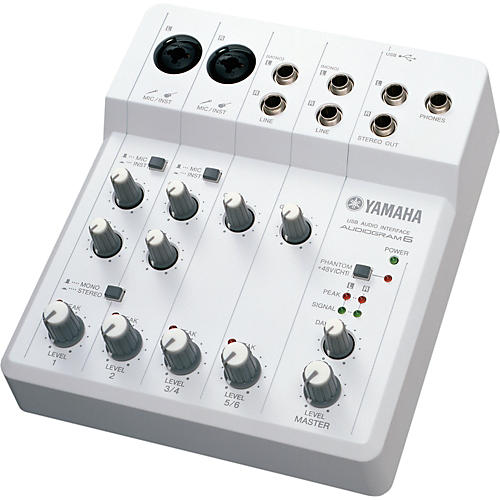
Dspnor As Sound Cards & Media Devices Driver Download For Windows 8
Install into expansion slot
Today, sound cards are connected into the PCI slot. Locate an available expansion slot in the computer and gently push the card into the slot until it snaps and holds place. Once the card is in the slot, place a screw into the back metal plate to hold the card into position.
Attach internal cables
Most sound cards have the availability of connecting a CD audio cable to the card itself. If present, connect the CD audio cable from the back of your CD-ROM to the sound card now.
Attach external cables
Place the case back onto the computer. Connect the keyboard, monitor, and power. Then, connect either a pair of headphones or speakers to the line out on the back of the sound card.
The picture is an example of the back of a sound card. With most sound cards, the line out connection is the light green jack.
CMOS setup
Dspnor As Sound Cards & Media Devices Driver Download For Windows 10
It is only necessary to enter BIOS setup if your computer has an onboard sound card. If present, the onboard sound card must be disabled before the new sound works properly.
Dspnor As Sound Cards & Media Devices Driver Download For Windows 7
Software setup
Once the sound card is physically installed into the computer, the sound card should have included software to install the sound card. Use this software to install the card into the computer.
- Computer sound card drivers.
Troubleshooting
Additional information
- See our sound card definition for further information and related links.